
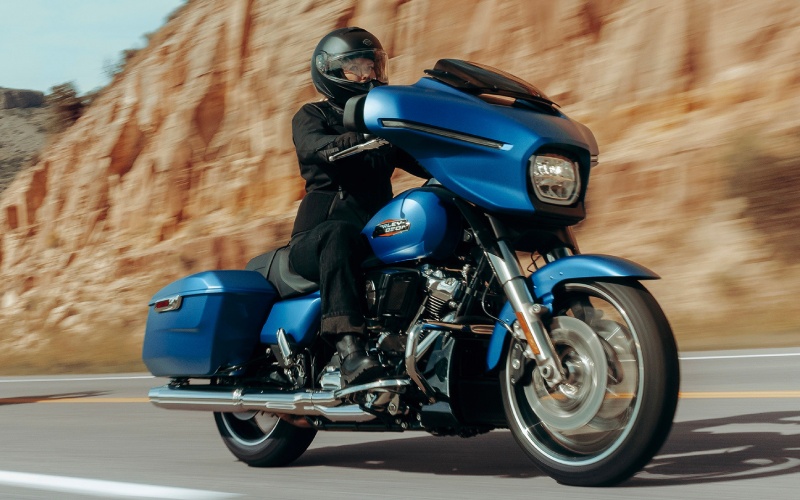
West Chester Harley-Davidson® - Can the 2026 Harley-Davidson® Street Glide® audio and Skyline™ OS stay clear at highway speeds around Phoenixville, PA?
Riders who value connected touring want two things from their cockpit technology—clarity and control—especially at higher speeds where wind and road noise build. The 2026 Harley-Davidson® Street Glide® brings both with its Skyline™ OS 12.3 in. TFT display, Apple CarPlay integration, and a factory audio system tuned for the open road. Around Phoenixville, PA, where your day can swing from Route 23 to a scenic detour by Valley Forge Mountain and back to US-422, that clear interface and audible soundstage make a real difference in how easy it is to navigate, take a call, or cue up your playlist.
From the saddle, the system’s usefulness comes down to three things: screen visibility, intuitive menus, and speaker output that can punch through wind without distortion. The Street Glide® checks all three. The full-color TFT screen places digital gauges and map data front and center, so you can glance and absorb without hunting for information. The two 5.25 in. fairing speakers, powered by 50 watts per channel, are built to deliver balanced output and minimize muddiness. That means spoken directions maintain clarity even as you roll past the Phoenixville Foundry on a windy afternoon or accelerate onto the highway after a long light cycle.
What makes the Street Glide® infotainment feel so usable at speed
The hardware and software were designed together, and it shows. Skyline™ OS lays out core functions—navigation, media, phone—where you expect them, with large touch targets and responsive feedback. Voice functions support select tuner, media, and navigation features in multiple languages, which helps when you prefer hands-on-the-bars control through a headset. Apple CarPlay (wireless or wired) streamlines the experience further, letting your familiar apps drive the workflow while the bike’s system manages audio and display duties. The result is less tapping, more flow.
Audio clarity is equally deliberate. The fairing’s shape directs airflow to reduce turbulence at the rider’s head and shoulders, improving not only comfort but also how the speakers project. On the move, that means navigation prompts remain crisp, and midrange-heavy podcasts stay intelligible. When you want music, the system resists the typical “thin at speed” feeling, maintaining a warmer low end without losing vocal detail. The effect is especially noticeable between Phoenixville, PA, and Oaks where wind can swirl across the Schuylkill—voices and instrumentation remain present instead of washing out.
Practical setup tips for clean audio and seamless control
To get the most from the Street Glide® audio and Skyline™ OS, start with the basics—pair your device over Bluetooth, then decide whether to run Apple CarPlay wirelessly or via USB-C. Wired offers the most consistent connection on long rides, and the cable also keeps your phone topped up if you’re streaming media and running navigation. Within Skyline™ OS, set a comfortable baseline volume while parked, then make small adjustments at speed. Avoid maxing the volume slider; leaving headroom reduces distortion when the road surface gets loud.
Glove use matters too. Practice your core navigation actions—zoom, menu switching, route recentering—at standstill with the gloves you typically ride in. Skyline™ OS touch response is solid, but rehearsing motions builds muscle memory so interactions feel second nature on the road. If you use a headset, map its buttons to your most-used commands. For riders who alternate between a full-face and a modular helmet, a quick headset mic placement check can further improve voice recognition reliability in crosswinds.
How it compares on your regular Phoenixville, PA, loops
On a weekday run that mixes Gay Street, PA-29, and a stretch of 76, the Street Glide® infotainment remains composed where some systems falter. Screen glare is well controlled, and the size of the 12.3 in. display means turn cues and lane guidance are easy to read without squinting. Audio volume tracks naturally with ambient noise, so you aren’t chasing the knob after every overpass. And if you reroute to swing past Black Rock Sanctuary or pick up a friend in Kimberton, recalculation feels quick enough that you stay oriented and unstressed.
Longer weekend rides highlight another benefit: reduced mental load. With turn-by-turn navigation on the Skyline™ OS, you can focus on line choice and corner exits rather than counting side streets. If weather rolls in as you approach Oaks or Royersford, the bike’s Rider Safety Enhancements—ABS, Electronic Linked Braking, Traction Control, plus cornering-aware systems—support steady inputs while the infotainment handles the next waypoint. The tech doesn’t intrude; it simply recedes into the background and works.
Who benefits most from this setup
If you use navigation often, stream audio or podcasts, and ride a lot of mixed-speed routes, the Street Glide® cockpit will feel like a tailored fit. The clarity at speed helps commuters and travelers alike, while the big-screen layout benefits riders who appreciate at-a-glance confirmation without diving into submenus. Add a few thoughtful accessories—like a windshield option to match your height or small storage organizers for cables—and you can elevate the whole experience from good to dialed.
West Chester Harley-Davidson®, serving Phoenixville, PA, Smyrna, DE, and Coatesville, PA, is happy to walk you through the Skyline™ OS menus, Apple CarPlay pairing options, and audio customization ideas so you leave feeling confident about the system you’ll use most days.
Frequently Asked Questions:
Will the stock speakers be loud enough on the highway?
For many riders, yes. The two 5.25 in. fairing speakers and 50 watts per channel deliver clear navigation prompts and balanced music at typical highway speeds. If you regularly ride above that or want more headroom, stage audio upgrades are available.
Does Apple CarPlay work wirelessly and via cable?
Yes. Apple CarPlay supports both wireless and wired connections. Wireless is convenient for short hops, while a USB-C cable can provide the most consistent link on longer rides and keep your phone charged.
Can I use the touch screen with gloves?
The TFT screen is responsive, and many riders use it with common riding gloves. Practicing core actions while parked is smart, and pairing a headset allows voice functions for select features to minimize on-screen taps.
Is the display easy to read in bright sun?
The 12.3 in. full-color TFT display is designed for visibility in a wide range of lighting conditions. Screen size, contrast, and layout help preserve legibility even when midday glare is a factor.